

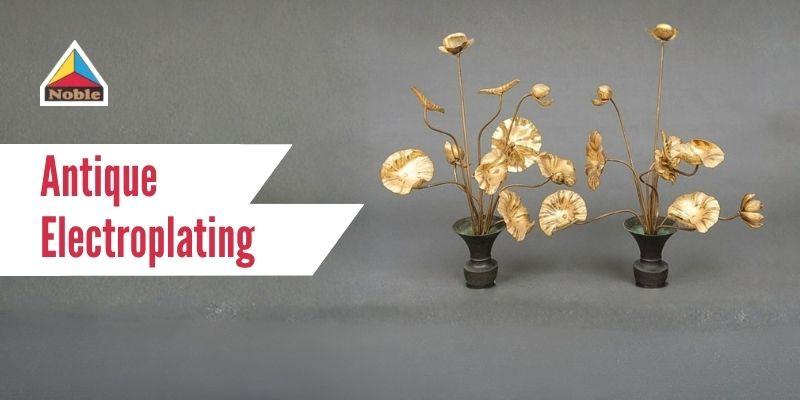

Antique Electroplating: Creating Vintage and Decorative Metal Finishes
Antique electroplating is a specialized metal finishing process used to create aged, vintage, and decorative appearances on metal surfaces. Unlike standard electroplating that focuses on achieving a bright and polished finish, antique electroplating is designed to produce a rustic, weathered, or heritage-inspired look. This technique is widely used in jewelry, home décor, architectural hardware, furniture accessories, musical instruments, automotive parts, and luxury decorative products.
From antique brass finishes to aged copper and vintage silver effects, antique electroplating helps manufacturers and designers combine durability with timeless aesthetics.
What is Antique Electroplating?
Antique electroplating is the process of depositing a thin layer of metal onto a surface and then chemically or mechanically aging it to create an antique appearance. The process often involves:
- Electroplating a base metal
- Applying oxidizing or patina solutions
- Highlighting textures and engraved areas
- Sealing the finish for durability
The final result mimics naturally aged metal surfaces that would otherwise take years to develop.
How Antique Electroplating Works
The antique electroplating process typically follows several key steps.
1. Surface Preparation
The metal surface is cleaned thoroughly to remove:
- Oil
- Dust
- Oxidation
- Grease
- Rust
Proper cleaning ensures strong adhesion of the electroplated layer.
2. Base Electroplating
A layer of metal is deposited onto the component using electroplating techniques. Common plating metals include:
- Brass
- Copper
- Nickel
- Silver
- Bronze
- Gold
The choice depends on the desired antique finish.
3. Antiquing or Patina Treatment
After plating, the surface undergoes an aging treatment using:
- Oxidizing chemicals
- Sulfur compounds
- Heat treatment
- Manual brushing techniques
This creates darker tones in recessed areas while leaving raised sections brighter for a naturally aged effect.
4. Highlighting and Buffing
Technicians lightly polish certain areas to enhance:
- Texture
- Engravings
- Decorative patterns
- Dimensional depth
This step creates visual contrast and improves the vintage appearance.
5. Protective Coating
A clear lacquer or sealant is applied to:
- Protect the antique finish
- Prevent corrosion
- Maintain color consistency
- Increase durability
Popular Types of Antique Electroplating Finishes
Different industries prefer different antique finishes based on design aesthetics and product applications.
Antique Brass Plating
Antique brass offers a warm golden-brown appearance commonly used in:
- Door handles
- Furniture fittings
- Decorative lighting
- Vintage décor
It creates a classic and luxurious feel.
Antique Copper Plating
Antique copper develops rich reddish-brown tones and is widely used for:
- Art pieces
- Kitchen accessories
- Architectural accents
- Handcrafted products
Its rustic appearance adds depth and authenticity.
Antique Silver Plating
Antique silver creates an elegant aged appearance with darkened recesses and soft highlights. Common applications include:
- Jewelry
- Religious items
- Luxury décor
- Cutlery
Antique Bronze Plating
Antique bronze finishes are often used in:
- Sculptures
- Trophies
- Decorative hardware
- Heritage restoration projects
The finish provides an old-world artistic appearance.
Antique Nickel Finishing
Antique nickel offers a muted metallic appearance suitable for:
- Industrial décor
- Vintage furniture
- Bathroom fixtures
- Interior hardware
It combines modern durability with a retro look.
Industries That Use Antique Electroplating
Antique electroplating is widely used across multiple industries.
Jewelry Industry
Jewelry manufacturers use antique plating to create:
- Vintage rings
- Rustic necklaces
- Antique earrings
- Designer bracelets
The finish enhances detailing and artistic value.
Furniture and Interior Design
Furniture brands use antique finishes on:
- Handles
- Hinges
- Decorative trims
- Cabinet accessories
These finishes complement traditional and luxury interiors.
Architectural Hardware
Antique plating is common in:
- Door knobs
- Locks
- Railings
- Switch plates
It helps create heritage-style architectural aesthetics.
Automotive Restoration
Classic vehicle restoration projects use antique electroplating for:
- Emblems
- Interior trims
- Decorative metal components
The process restores vintage authenticity.
Handicrafts and Decorative Products
Artisans and manufacturers use antique finishes for:
- Sculptures
- Decorative bowls
- Candle stands
- Metal artwork
These finishes increase visual appeal and perceived value.
Benefits of Antique Electroplating
Enhanced Visual Appeal
Antique finishes create:
- Rich textures
- Vintage aesthetics
- Artistic detailing
- Premium appearance
Corrosion Protection
Electroplated layers help protect metal surfaces from:
- Moisture
- Oxidation
- Environmental damage
Customization Options
Manufacturers can customize:
- Color tones
- Aging intensity
- Surface texture
- Decorative effects
Improved Product Value
Antique finishes often increase:
- Product uniqueness
- Luxury appeal
- Market value
- Customer interest
Durability
With proper sealing, antique electroplated finishes offer:
- Long-lasting performance
- Wear resistance
- Surface protection
Materials Commonly Used in Antique Electroplating
Several base metals are compatible with antique plating.
Common Base Materials
- Steel
- Brass
- Copper
- Zinc alloy
- Aluminum
- Stainless steel
Different materials may require specialized pretreatment processes.
Factors Affecting Antique Finish Quality
The quality of antique electroplating depends on several factors.
Surface Preparation Quality
Improper cleaning can lead to:
- Poor adhesion
- Uneven plating
- Peeling
Plating Thickness
The thickness of the electroplated layer influences:
- Durability
- Finish consistency
- Aging effects
Chemical Control
Accurate chemical composition is essential for:
- Uniform coloration
- Controlled oxidation
- Desired vintage appearance
Skilled Finishing Techniques
Antique finishing often requires manual craftsmanship to achieve:
- Authentic aging
- Balanced contrast
- Premium detailing
Environmental Considerations in Antique Electroplating
Modern electroplating facilities increasingly adopt eco-friendly practices such as:
- Wastewater treatment
- Chemical recycling
- Low-toxicity plating solutions
- Energy-efficient systems
Sustainable electroplating processes help reduce environmental impact while maintaining high-quality finishes.
Choosing the Right Antique Electroplating Service Provider
When selecting an antique electroplating company, consider:
- Industry experience
- Finish consistency
- Customization capabilities
- Quality control standards
- Material compatibility
- Corrosion resistance expertise
A reliable plating provider ensures both aesthetic quality and long-term durability.
Future Trends in Antique Electroplating
The demand for antique electroplating continues to grow due to increasing interest in:
- Vintage-inspired interiors
- Luxury decorative products
- Heritage restoration
- Customized metal finishes
- Artisanal craftsmanship
Advanced electroplating technologies are also improving finish precision, durability, and sustainability.
Conclusion
Antique electroplating combines artistic craftsmanship with modern metal finishing technology to create elegant vintage-style surfaces. Whether used in jewelry, decorative hardware, furniture, automotive restoration, or luxury décor, antique electroplating enhances both the appearance and value of metal products.
With a wide range of finishes such as antique brass, copper, silver, bronze, and nickel, this process offers endless design possibilities while also providing corrosion resistance and durability. As demand for decorative and heritage-inspired products grows, antique electroplating remains an important solution for creating timeless metal finishes.