


Enhancing Durability and Aesthetics: The Practical Applications of Electroplating
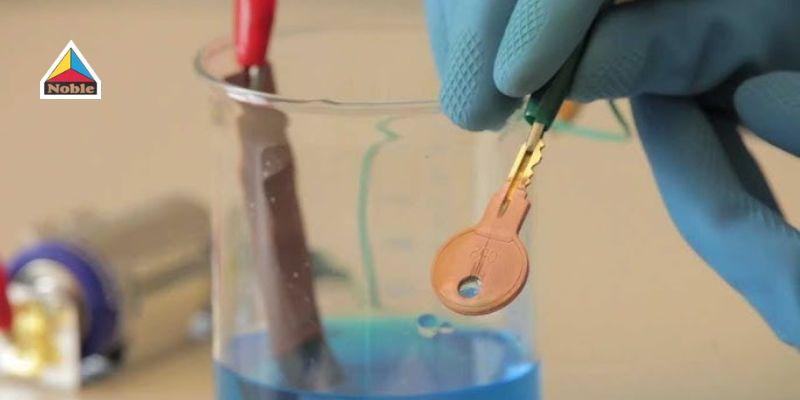
Electroplating, a process that has been in use for over two centuries, plays a crucial role in enhancing the durability and aesthetics of various objects. From jewellery to industrial machinery, electroplating provides a thin yet protective layer of metal, offering benefits far beyond mere appearance. In this blog, we’ll delve into the practical applications of electroplating, shedding light on its diverse uses in different industries.
Jewellery Industry:
One of the most well-known applications of electroplating is in the jewellery industry. By applying a thin layer of precious metals like gold or silver to base metals, jewellers can create stunning pieces with the lustre and elegance of their more expensive counterparts. Electroplating not only elevates the visual appeal but also protects against tarnishing and corrosion, ensuring longevity.
Automotive Industry:
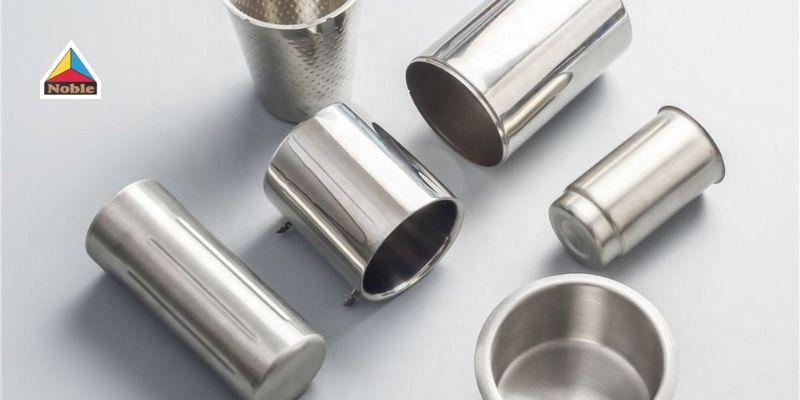
In the automotive sector, electroplating is employed extensively to enhance aesthetics and durability. Chrome plating, for instance, is utilised to coat various components like bumpers, trim, and wheels. This not only imparts a mirror-like finish but also protects against rust and wear, increasing the lifespan of these parts.
Electronics Industry:
Electronics manufacturers rely on electroplating for a multitude of reasons. Printed circuit boards (PCBs) benefit from a layer of copper plating to facilitate better conductivity and prevent oxidation. Additionally, connectors, switches, and terminals are often electroplated with nickel or gold to enhance their electrical performance and protect them from environmental factors.
Aerospace and Defence:
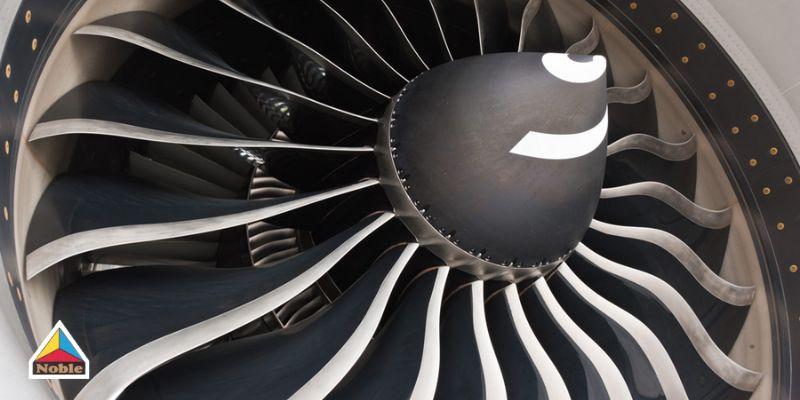
In aerospace and defence applications, durability is paramount. Electroplating provides a vital layer of protection for critical components. Aircraft parts, such as landing gear and fasteners, are often electroplated with metals like cadmium or nickel to safeguard against corrosion and maintain structural integrity in harsh environments.
Medical and Dental Equipment:
The medical and dental industries rely on electroplating for instruments and implants. Stainless steel instruments can be coated with metals like titanium or gold to improve biocompatibility and corrosion resistance. Dental implants, in particular, benefit from a thin layer of titanium to enhance integration with natural bone.
Household Items:
Electroplating is not limited to industrial applications; it also finds its way into our everyday lives. Items like faucets, kitchenware, and doorknobs are often electroplated with metals like chrome or nickel to enhance their appearance and longevity.
Decorative Home Decor:
Electroplating is widely used in the production of decorative home items. Picture frames, candle holders, and even furniture accents benefit from a layer of gold or silver plating. This not only adds a touch of elegance but also protects against tarnish, ensuring that these pieces remain beautiful for years to come.
Automotive Reflectors and Lights:
Reflectors and lights on vehicles require a durable and reflective surface. Electroplating with metals like aluminium or chrome provides the necessary qualities, ensuring that lights remain bright and visible even in adverse weather conditions. Additionally, the protective layer helps shield against environmental elements, extending the lifespan of these critical safety components.
Fashion Accessories:
Beyond traditional jewellery, electroplating is also widely employed in producing fashion accessories. Items like belt buckles, handbag hardware, and watch cases benefit from the process. Electroplating allows manufacturers to offer various finishes and styles, catering to diverse consumer preferences.
Coins and Medals:
Coins and medals, both for commemorative and functional purposes, often undergo electroplating. This process ensures that these items not only look impressive but also resist wear and corrosion. The added layer of metal helps maintain the integrity of the design and inscription for years.
Plumbing Fixtures:
In the realm of plumbing, electroplating is indispensable. Faucets, showerheads, and other fixtures are electroplated with metals like chrome or nickel to provide a durable, corrosion-resistant surface. This not only maintains the aesthetic appeal of the fixtures but also ensures reliable performance over time.
Musical Instruments:
Musical instruments, especially those made of brass or other alloys, can benefit significantly from electroplating. By applying a layer of nickel or silver, manufacturers can enhance the instrument’s appearance and protect it from corrosion caused by moisture and handling.
Eyeglasses and Sunglasses:
Frames for eyeglasses and sunglasses often undergo electroplating to achieve the desired finish. This not only adds a touch of style but also enhances the frames’ durability, ensuring they can withstand daily wear and tear.
Conclusion:
Electroplating is a versatile and indispensable process that significantly contributes to the durability and aesthetics of various products across various industries. From enhancing the brilliance of jewellery to protecting critical components in aerospace applications, electroplating plays a crucial role in modern manufacturing. As technology continues to advance, so too will the techniques and applications of electroplating, ensuring its enduring relevance in an ever-evolving world.